






Navigation
Send Us A Message
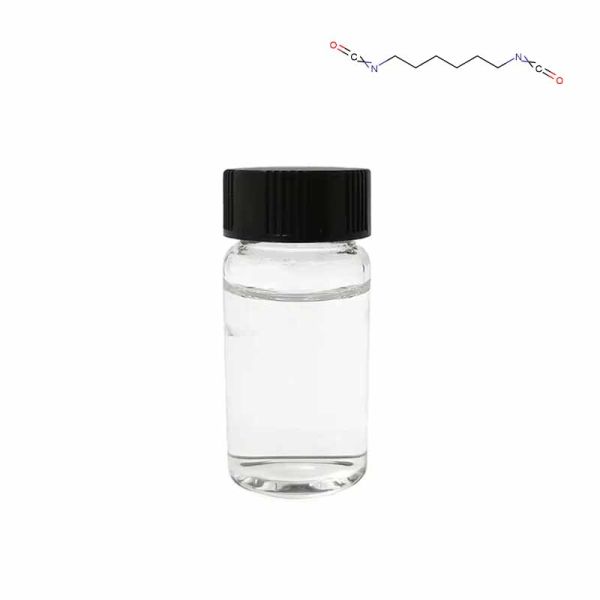
Hexamethylene Diisocyanate CAS#822-06-0
Hexamethylene Diisocyanate<br/>colorless to slightly yellow liquid<br/><br/>Hexamethylene diisocyanate is a colorless to slightly yellow liquid with a pungent odor, low water solubility, and slow reaction with water. Its broad liquid operating range and reactive isocyanate groups make it useful as an organic-synthesis building block. Applications include polymer and coating research, carbonyl and isocyanate chemistry, fine chemicals, monomers, material intermediates, and laboratory reagents.
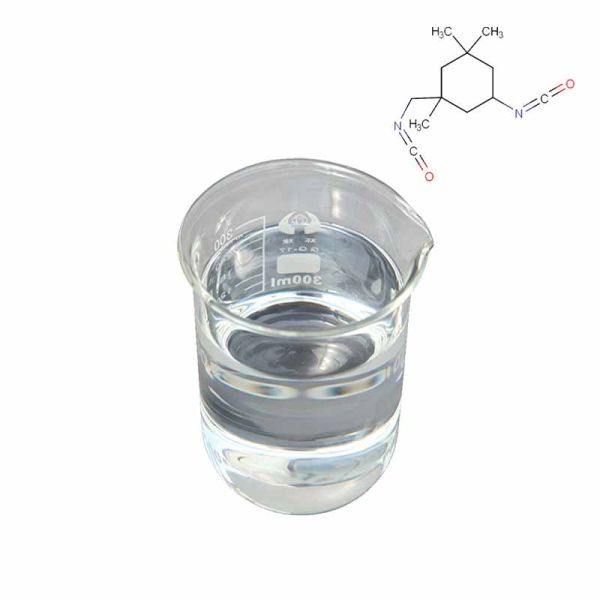
Isophorone Diisocyanate CAS#4098-71-9
Isophorone Diisocyanate<br/>clear to pale-yellow liquid<br/><br/>Isophorone diisocyanate is a clear to pale-yellow liquid with a camphor-like odor. It is insoluble in water but miscible with most common organic solvents and exists in cis and trans conformational forms. These characteristics support controlled use in polymer and coating formulations, especially polyurethane research and production requiring a moisture-sensitive, solvent-compatible diisocyanate intermediate.
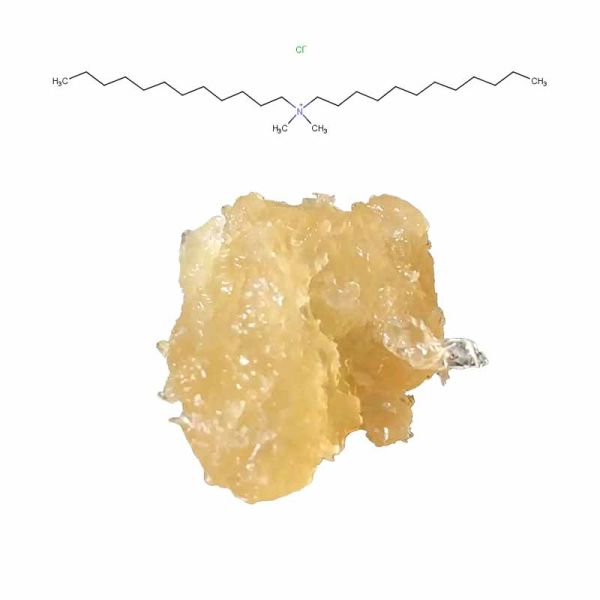
Didodecyl dimethyl ammonium chloride CAS#3401-74-9
Didodecyl dimethyl ammonium chloride<br/>Didecyl dimethyl ammonium chloride<br/>DDAC<br/>colorless to pale yellow liquid (80% solution); off-white paste (99% grade)<br/><br/>Didodecyl dimethyl ammonium chloride is supplied as a liquid solution or off-white paste depending on form. It is soluble in polar solvents and provides antistatic, anticorrosive, dispersing, emulsifying, and foaming functions. Compatible with cationic, nonionic, and amphoteric surfactants, it is used in paper products, asphalt emulsions, mineral flotation, disinfectant formulations, tertiary oil recovery, and surface-conditioning systems.
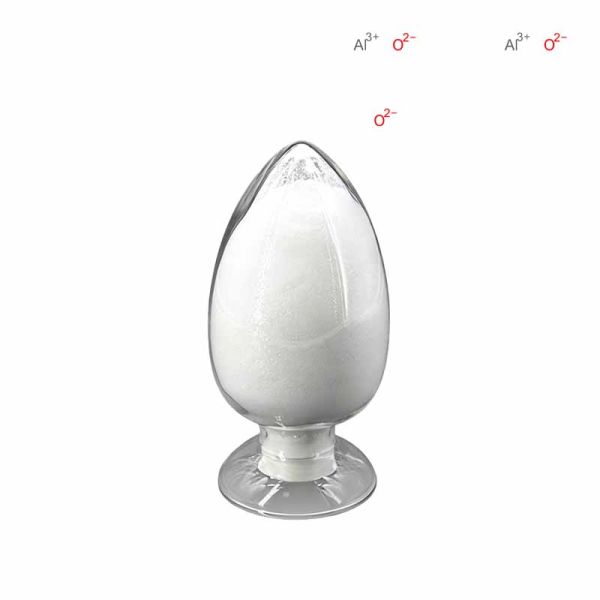
Aluminum oxide CAS#1344-28-1
Aluminum oxide<br/>Al₂O₃<br/><br/>Aluminum oxide, or alumina, is a hard, chemically stable, water-insoluble refractory material occurring in alpha and gamma crystal forms. Its durability and high-temperature performance support use in bearings, abrasives, crucibles, refractories, ceramics, and precision components. It is also applied as a catalyst support, desiccant, inorganic reagent, separation material, and substrate in biochemical and industrial processing.
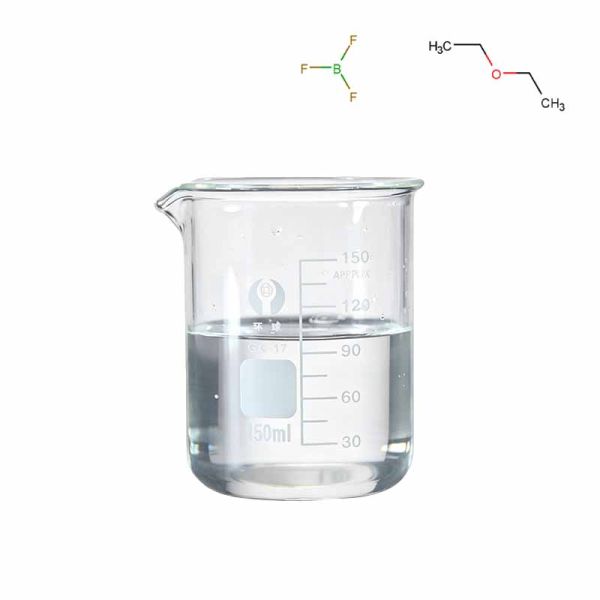
Boron trifluoride diethyl etherate CAS#109-63-7
Boron trifluoride diethyl etherate<br/>fuming liquid<br/><br/>Boron trifluoride diethyl etherate is a fuming liquid Lewis acid catalyst used in organic synthesis and polymerization. Its strong catalytic activity supports aldol additions, alkylation, coupling reactions, and formation of polyethers and polyols. It is also used to prepare boron-containing materials and as a reagent in specialized atmospheric-radiation detector and chemical-research applications.
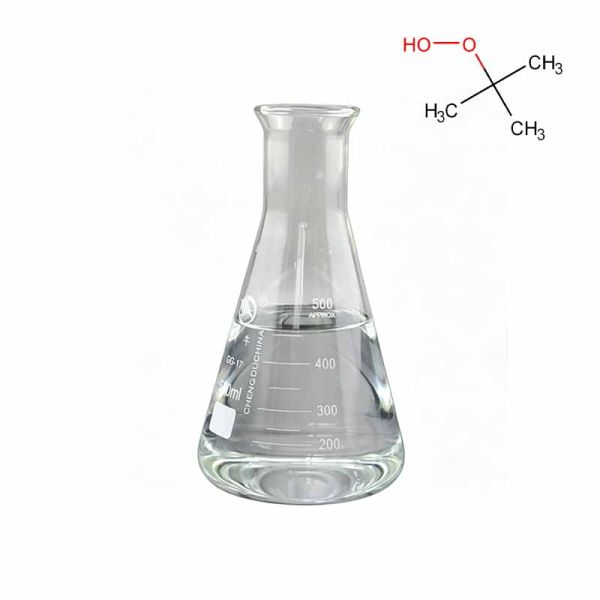
Tert-Butyl hydroperoxide CAS#75-91-2
Tert-Butyl hydroperoxide<br/>TBHP<br/>C₄H₁₀O₂<br/><br/>Tert-butyl hydroperoxide is an organic peroxide supplied in aqueous or organic-solvent formulations. It functions as an oxidizing agent for selected epoxidation and alcohol-oxidation reactions and as a radical source in polymerization and other chemical processes. Its application depends on concentration, solvent, catalysts, and process conditions, with use centered on organic synthesis, oxidation chemistry, and industrial reaction initiation.
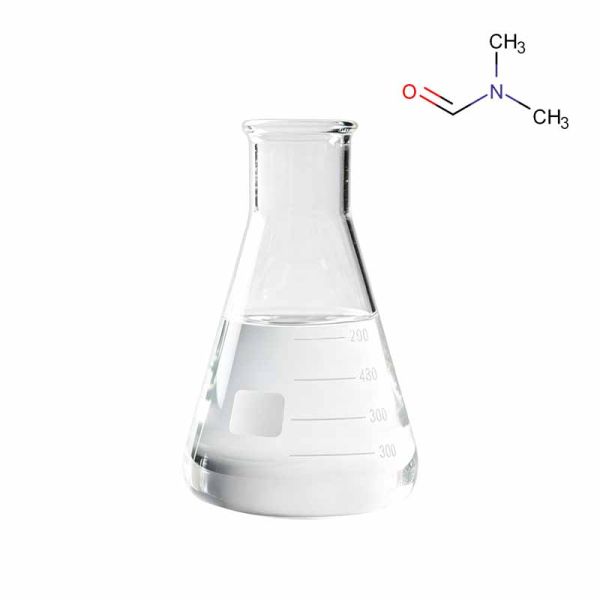
N,N-Dimethylformamide CAS#68-12-2
N,N-Dimethylformamide<br/>DMF<br/>colorless, flammable liquid<br/><br/>N,N-Dimethylformamide is a colorless flammable liquid that dissolves in water and many organic solvents. Its polar, electron-donating, and complex-forming behavior makes it a versatile solvent and extractant for salts and high-molecular-weight materials. It is used in acrylic-fiber, pharmaceutical, dye, petroleum, electronic, and organic-chemical production, as well as in selected reduction and synthesis reactions.
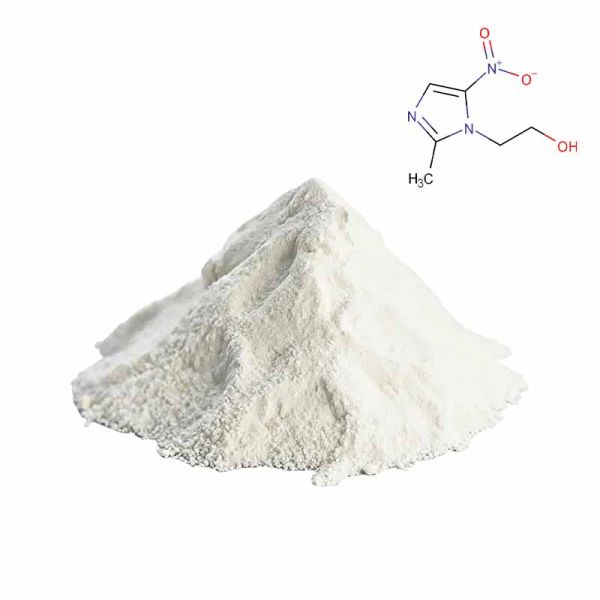
Metronidazole CAS#443-48-1
Metronidazole<br/><br/>Metronidazole is a nitroimidazole antibiotic activated in susceptible microorganisms to inhibit bacterial DNA synthesis. It is used in pharmaceutical formulations for anaerobic bacterial infections, amoebiasis, and trichomoniasis, with applications extending across gastrointestinal, respiratory, urinary, skin, and other infection-related preparations. It is also used in pharmaceutical and microbiological research involving anaerobic organisms and protozoal activity.
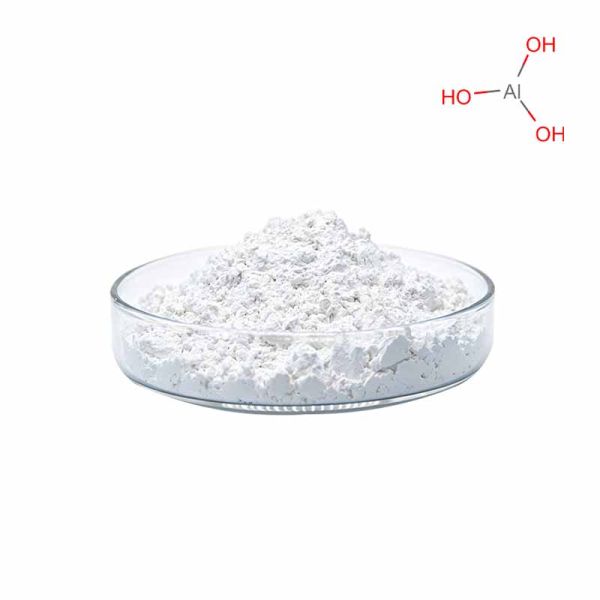
Aluminum hydroxide CAS#21645-51-2
Aluminum hydroxide<br/>Al(OH)₃<br/>white solid<br/><br/>Aluminum hydroxide is a white, water-insoluble amphoteric solid that dissolves in acids and alkalis. On heating it dehydrates to aluminum oxide, making it a useful alumina precursor. It is used as an absorbent, desiccant, filler, flame retardant, catalyst support, antacid-grade material, chromatography medium, and raw material for glass, ceramics, cosmetics, dyes, and aluminum compounds.
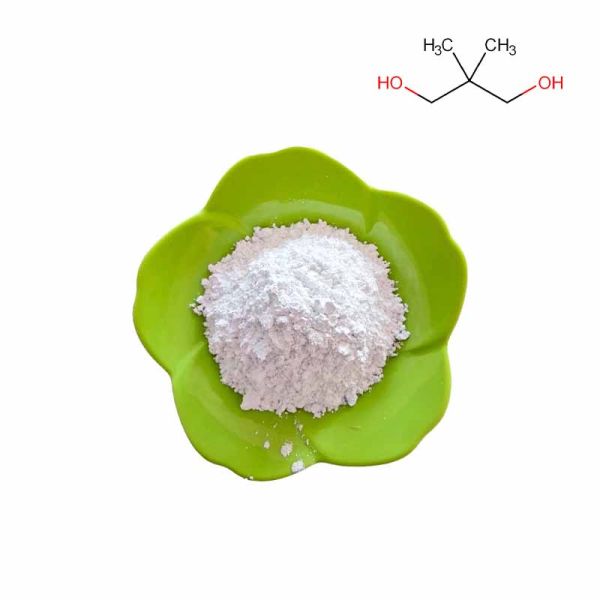
neopentyl glycol CAS#126-30-7
neopentyl glycol<br/>flake; molten; slurry forms<br/><br/>Neopentyl glycol is a diol with good solubility in water and common organic solvents. Its primary hydroxyl groups enable rapid esterification, while its methyl-substituted structure contributes chemical and thermal stability to derivatives. It is a raw material for polyesters, powder and polyurethane coatings, plasticizers, lubricants, textiles, and selected pharmaceutical and pesticide intermediates, supplied in solid, molten, or slurry forms.
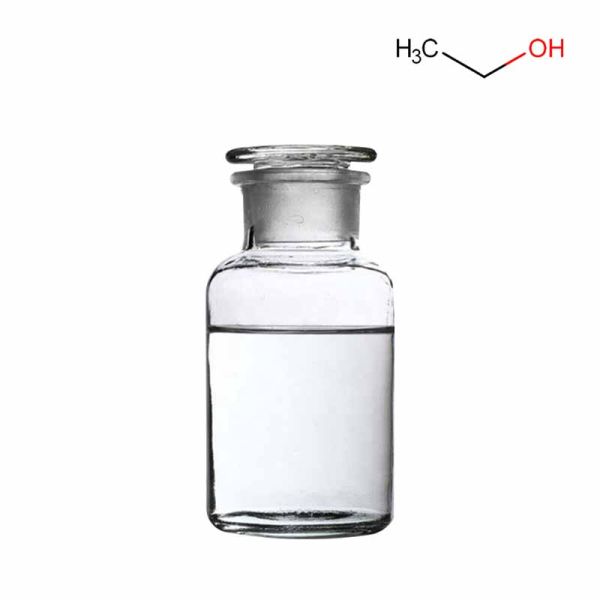
Ethanol CAS#64-17-5
Ethanol<br/>organic alcohol liquid<br/><br/>Ethanol is a colorless, transparent, volatile organic alcohol miscible with water and most organic solvents. Its solvent, extraction, cleaning, and synthesis properties support broad use in coatings, inks, daily chemicals, laboratory analysis, agricultural processing, and food and beverage manufacture. It also serves as a chemical intermediate and fuel component where the specified grade and formulation are appropriate.
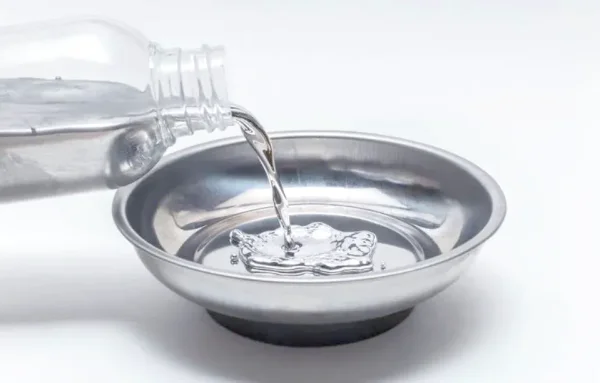
Mercury CAS 7439-97-6
Mercury<br/>Quicksilver<br/>quicksilver<br/>Hg<br/>silvery-white, free-flowing liquid metal<br/><br/>Mercury, also called quicksilver, is a silvery-white liquid metal at room temperature with high density, electrical and thermal conductivity, and the ability to form amalgams with many metals. It is used only in controlled professional settings for precision instruments, manometers, chlor-alkali chemistry, metallurgical extraction, laboratory analysis, and specialized electrical or materials research.
Send Us Your Inquiry Today